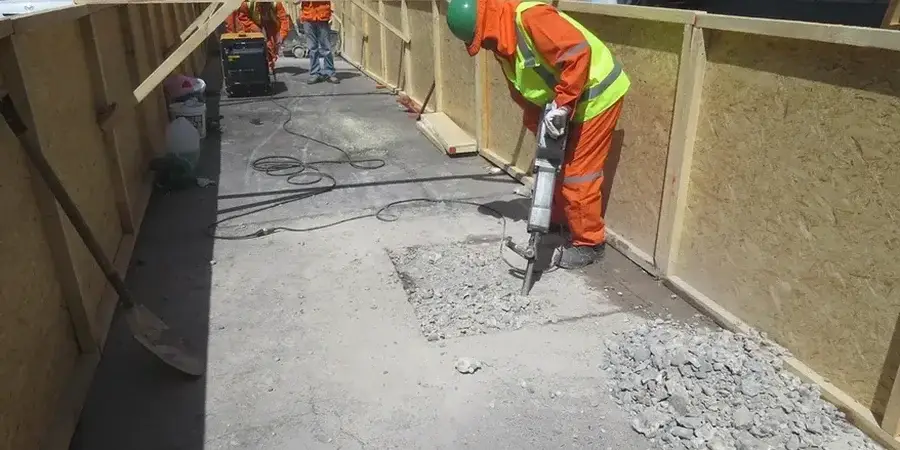
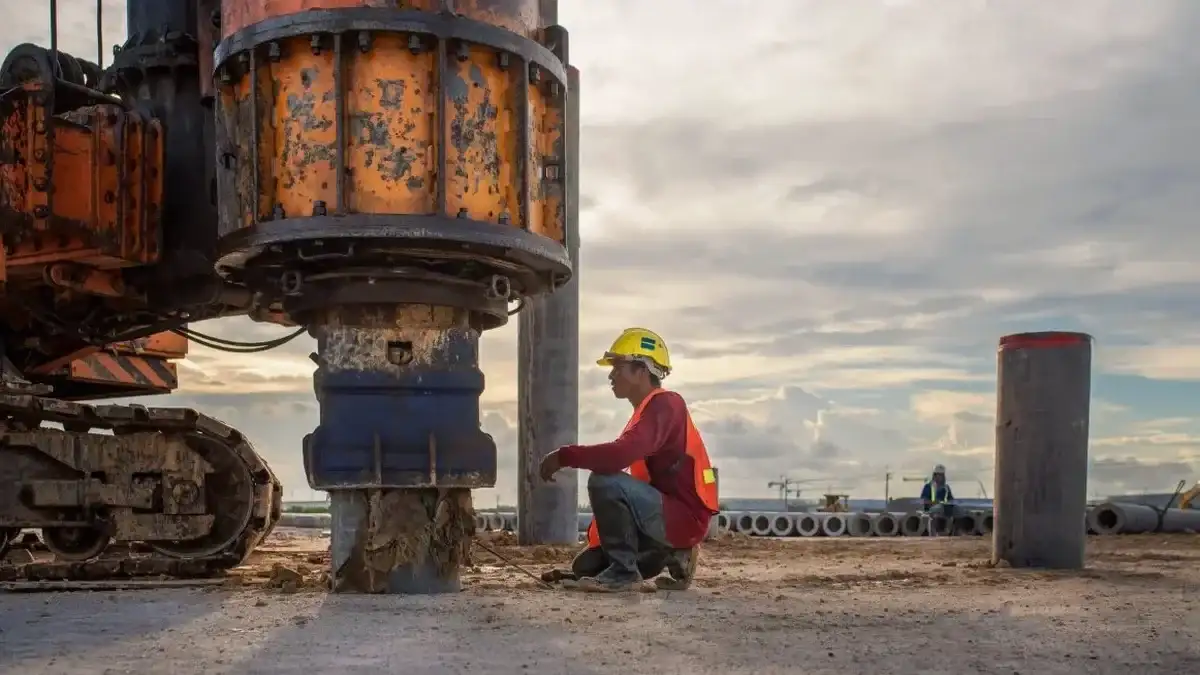
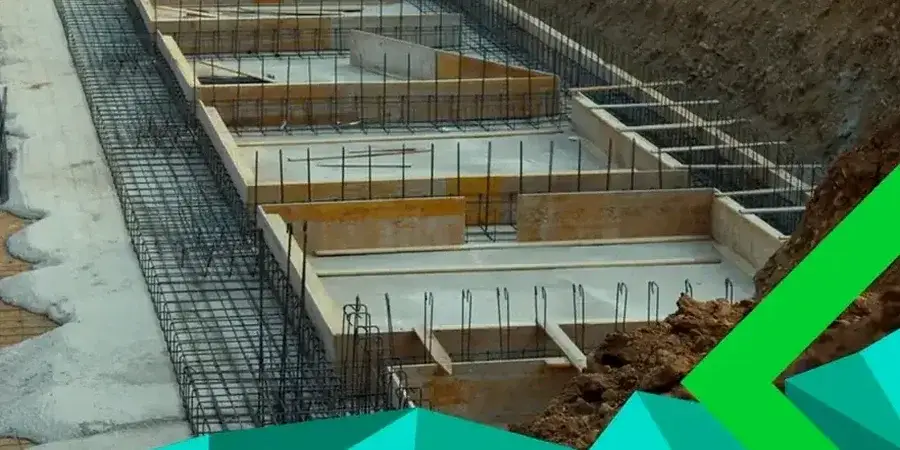
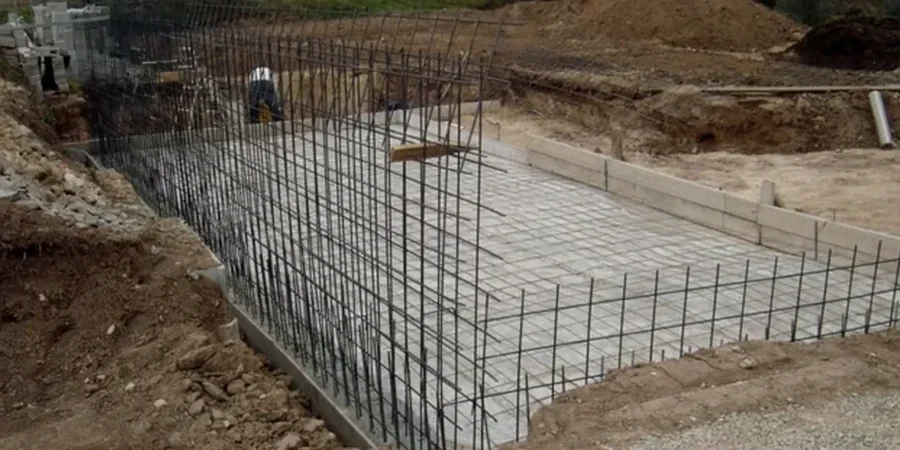
Luton’s growth from a market town on the River Lea into a major industrial and aviation hub left its mark underground as much as above it. The town sits largely on Cretaceous chalk overlain by patchy Quaternary deposits of clay-with-flints and alluvium along the river valleys. Anyone who has broken ground near Wardown Park or along the A6 knows the drill: one site hits chalk at half a metre, the next one hits soft silty clay at two metres. That variability is exactly why shallow foundation design here cannot rely on desktop geology alone. We combine site-specific test pits with laboratory classification to map the bearing strata properly before a single pad or strip footing is sketched out. It is the only way to avoid those awkward phone calls halfway through excavation.
In Luton, the difference between chalk at 0.8 metres and made ground at 1.5 metres can be a 40% reduction in allowable bearing pressure on the same street.