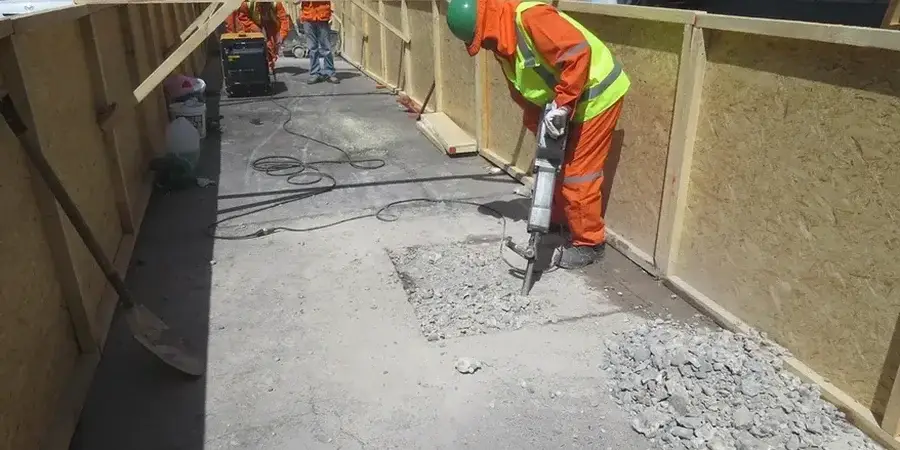
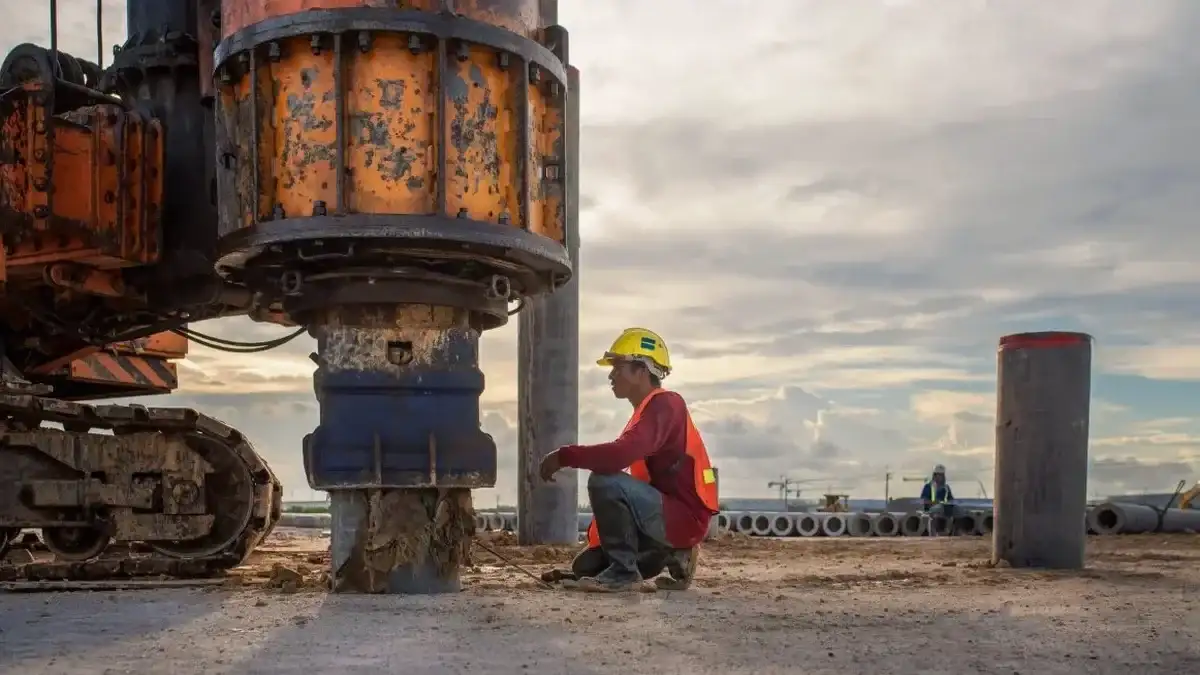
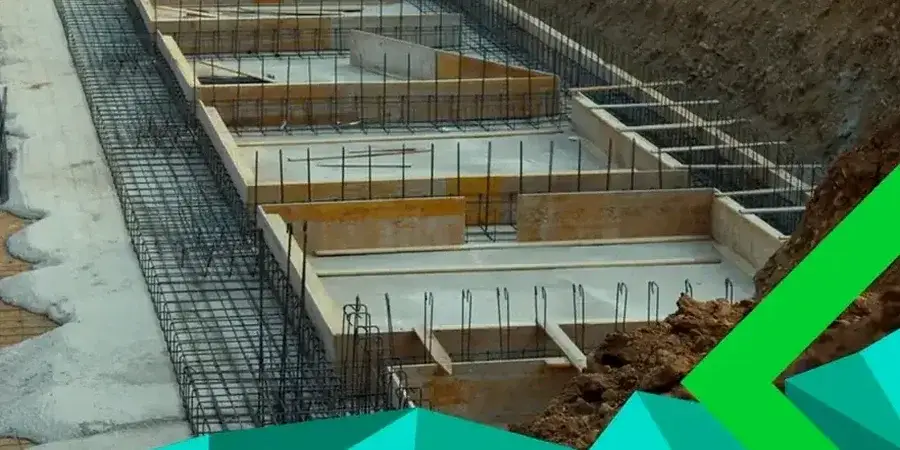
The most preventable failure in Luton industrial estates starts with a pavement designer treating chalk subgrade like any other soil. A new access road for a logistics centre off the M1 corridor looked fine on paper until the first winter freeze-thaw cycle. The slab curled at the construction joints, water infiltrated the chalk formation, and the subgrade softened to a putty-like consistency within eight weeks. That repair alone cost more than the original ground investigation budget three times over. Rigid pavement design across the Chilterns demands an understanding of how the Upper Chalk reacts to moisture fluctuation, not just what the CBR value says in August. Our team integrates the CBR road subgrade assessment with site-specific climate data before a single concrete mix is proposed, because the bearing capacity of chalk in Luton changes dramatically between a dry September and a saturated February.
Chalk subgrade in Luton can lose over 60% of its bearing capacity between summer and winter — a rigid pavement design that ignores this seasonal swing is designed to fail.