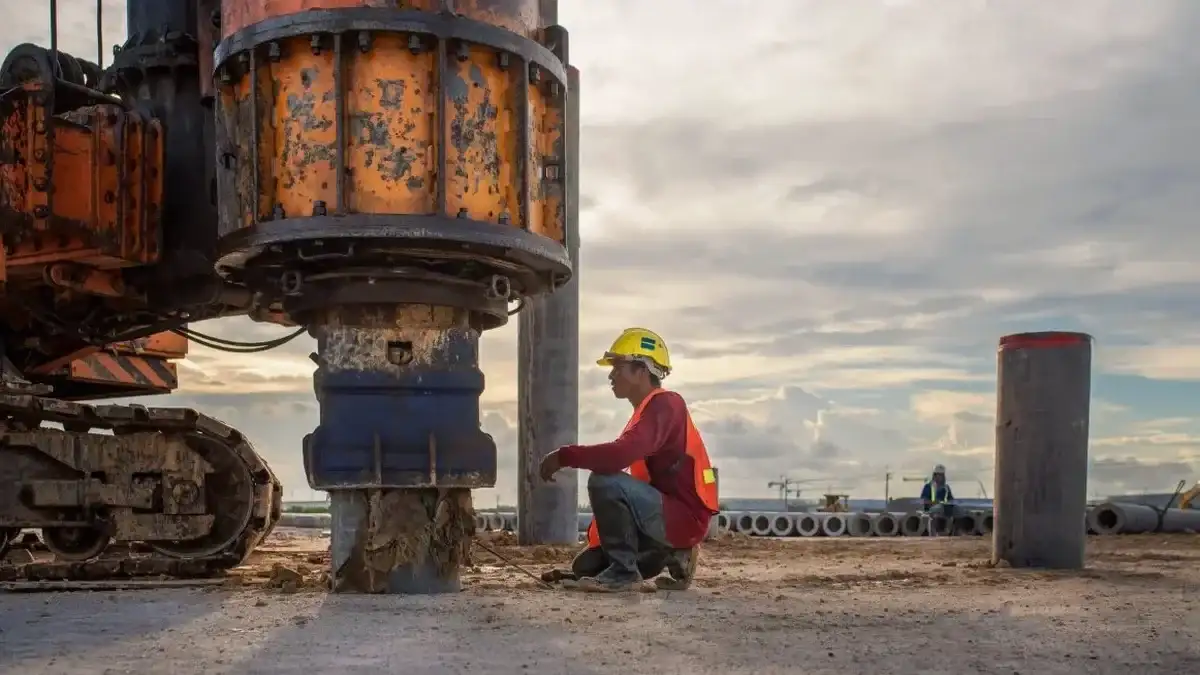
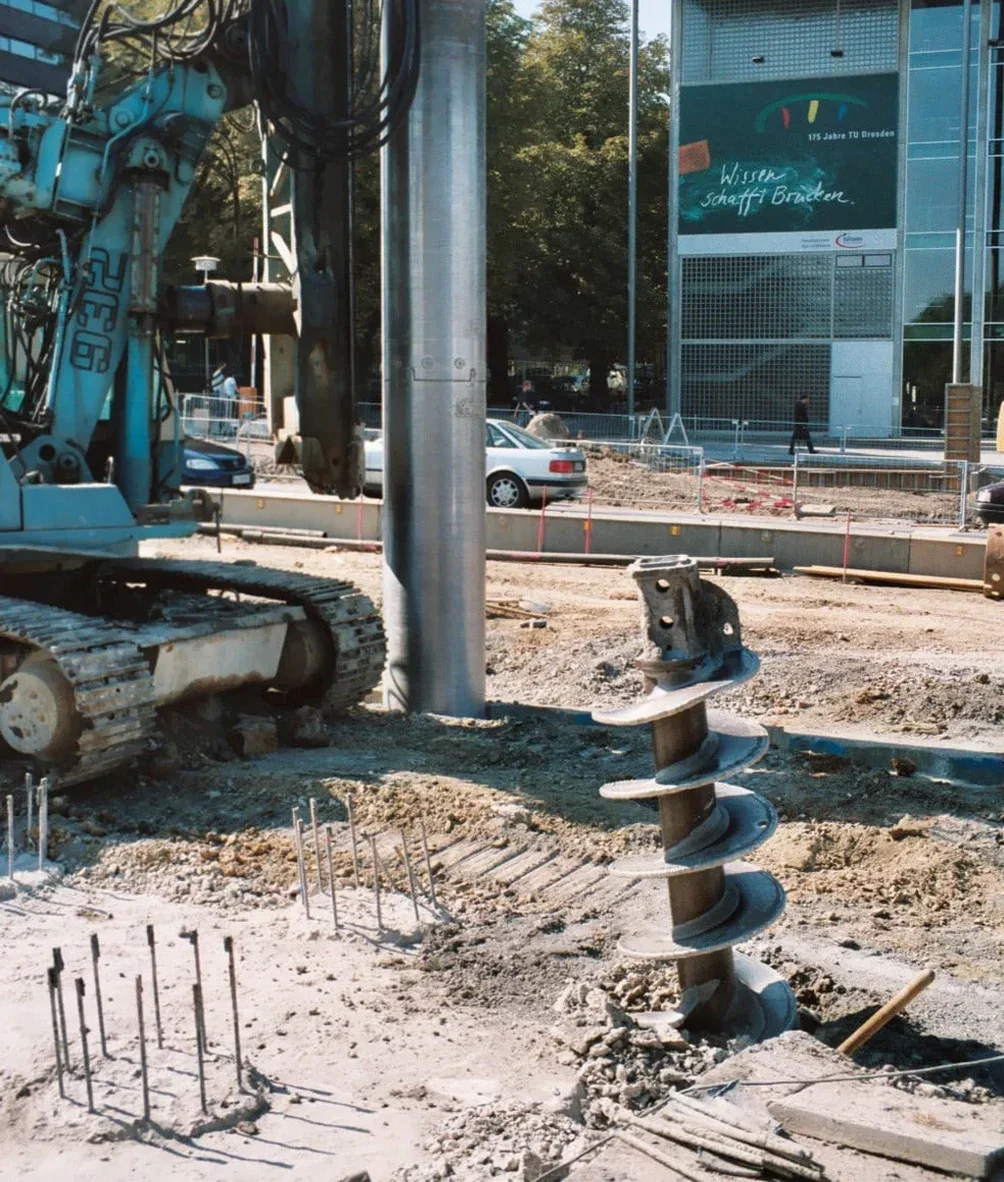
In Luton, the transition from the chalky marl of the Chilterns into the lower-lying Gault Clay creates a real headache for foundation engineers. You can move 200 metres across a site and go from competent limestone to a stiff, fissured clay with completely different settlement behaviour. Our team gets called in when standard spread footings or mat foundations just won't work at the required depth. We design pile foundations that transfer structural loads through these variable drift deposits and into the underlying bedrock. The process starts with a proper desk study and interpretation of BS 5930 ground investigation data. No generic assumptions. Every pile length, diameter and reinforcement cage is calculated for the specific stratigraphy we encounter on your borehole logs. In zones where the water table sits high within the river gravels, we factor in negative skin friction and lateral spreading potential. We also handle the headache of designing piles near existing infrastructure—a common problem in Luton's tightly packed industrial estates and town centre redevelopments. The CPT testing data often proves critical here for refining shaft friction values in the chalk.
Designing a pile in Luton means engineering for two different soils in the same borehole: the unpredictable drift deposits and the weathered chalk profile beneath.